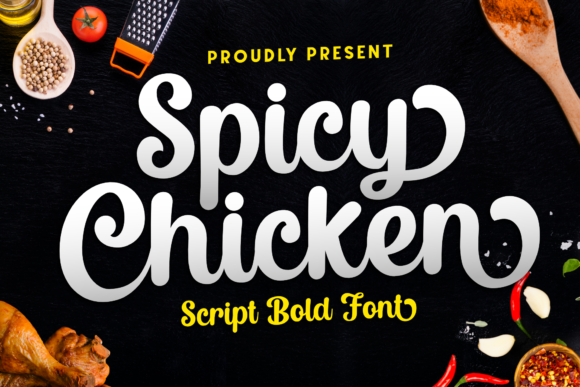
Spicy Chicken: A Script Font That Brings Warmth and Style
There's a certain magic that happens when a design element feels both timeless and fresh. You see it in a beautifully crafted logo, a wedding invitation that takes your breath away, or packaging that makes you reach for the product on the shelf. That magic often starts with typography, and finding a typeface that carries both elegance and personality can transform a good project into a memorable one. Spicy Chicken is exactly that kind of font—a script that feels equally charming and elegant, a stylish homage to classic calligraphy with a contemporary twist that makes it incredibly versatile.
More Than Just Letters: The Visual Character of This Typeface
At its core, Spicy Chicken is a premium script font that understands the balance between flair and function. Its flowing letterforms are inspired by traditional calligraphy, giving it a sense of craftsmanship and intention. Yet, it avoids feeling stuffy or overly formal. There's a warmth and approachability in its curves and connections, making it feel personal and inviting. This isn't a stiff, rigid typeface; it's a creative font with a heartbeat. It's the kind of handwritten font that feels like it was written by a skilled hand, not generated by a machine, which immediately adds a layer of authenticity to any project it graces.
What makes it particularly useful is its range. While it has a strong personality, it doesn't scream for attention in a way that overwhelms other design elements. Instead, it acts as a sophisticated anchor. Think of it as the elegant script in a font pairing—the one that brings the emotional weight, while a clean sans serif font or a sturdy serif font provides the necessary readability for body text. This dynamic makes it a powerful tool in a designer's toolkit for creating visual hierarchy and guiding the viewer's eye exactly where you want it to go.
Where This Script Font Truly Shines: Practical Applications
The true test of any design asset is how it performs in the real world. Spicy Chicken excels across a surprising variety of applications, proving its worth far beyond a single use case. For branding and logo design, it offers an immediate sense of personality. A bakery, a boutique consultancy, a lifestyle blog, or a craft cocktail bar could use it to establish a brand identity that feels curated and full of character. It tells a story before a single word of copy is read.
In packaging design, this typeface can be the hero element. Imagine it on a artisanal coffee bag, a hand-poured candle label, or a gourmet sauce jar. It communicates quality, care, and a handcrafted ethos. For social media graphics and web design, it’s perfect for creating eye-catching headlines, quote graphics, or banner text that stops the scroll. Its elegance translates beautifully to digital screens, adding a touch of sophistication to Instagram posts, Pinterest pins, and website hero sections.
But its utility doesn't stop at digital. For print materials like business cards, stationery, and posters, Spicy Chicken adds a tangible, personal touch. It’s a natural fit for wedding invitations and event stationery, where the goal is to evoke emotion and set a specific tone. Editorial design for magazines or lookbooks can use it for pull quotes or feature titles to break up monotonous layouts. Even merchandise like tote bags, t-shirts, or mugs can benefit from its stylish appeal, turning everyday items into something more special.
Making It Work: Practical Tips for Using Spicy Chicken
Adopting a new font into your workflow is exciting, but a little strategy goes a long way. First, always consider the font pairing. Spicy Chicken’s script nature means it pairs best with simpler, more neutral typefaces. A clean sans serif font like Montserrat or a classic serif font like Lora can provide the perfect counterbalance, ensuring your body copy remains highly readable while your headlines captivate.
Next, think about readability considerations. As a script font, it’s generally best suited for short bursts of text—headlines, logos, labels, and callouts. Avoid setting entire paragraphs in it, as the connected letterforms can become difficult to read in long blocks. Use it strategically to draw attention, then let a more straightforward font do the heavy lifting for detailed information.
Before you dive in, take the time to review the included font styles. Many premium fonts like Spicy Chicken come with stylistic alternates, ligatures, or multiple weights. Exploring these options can unlock even more creative possibilities, allowing you to customize the look to perfectly match your project's vibe. Finally, always be mindful of commercial licensing. Ensure the license you purchase covers your intended use, whether it's for client work, merchandise for sale, or digital products. This is a crucial step in professional practice that protects both you and the font creator.
Elevating Your Visual Communication
Ultimately, the fonts you choose are silent ambassadors for your message. They contribute to visual consistency across all your platforms, which is the bedrock of strong brand recognition. A typeface like Spicy Chicken, used consistently, helps your audience instantly identify your materials, whether they’re scrolling through a feed or holding a printed piece. It enhances professional presentation, signaling that you pay attention to detail and value quality. Most importantly, the right typography fosters audience engagement. A font with personality and charm doesn’t just convey words; it evokes a feeling, builds a connection, and makes your content more memorable.
In a landscape saturated with generic visuals, investing in a high-quality, versatile script font like Spicy Chicken is an investment in your project's ability to stand out. It’s not just about looking good; it’s about communicating more effectively, with style and substance working in harmony. Whether you're a seasoned designer, a small business owner building your brand, or a content creator crafting your next visual story, having a tool that offers both elegance and practicality is invaluable. It’s the kind of creative asset that doesn’t just fill a space—it elevates the entire composition.