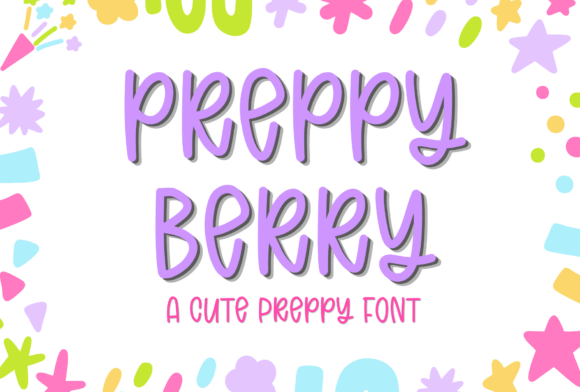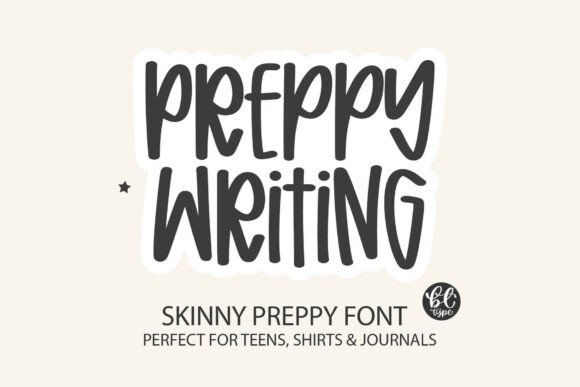
Preppy Writing: A Font That Brings Personality to Your Projects
There's a certain energy you get from a handwritten font that feels both personal and polished—like a note passed in class that's actually well-designed. Preppy Writing captures that exact vibe. It's tall, skinny, and has that distinctive prep-school character you'd see on a lacrosse team banner or a boutique's Instagram story. But here's the thing: it's not just for yearbook clubs or teen brands anymore. This font walks a line between playful and professional that makes it surprisingly versatile for adults building businesses, designing products, or creating content.
What Makes This Typeface Stand Out in a Crowded Font Library
Most handwritten fonts fall into two camps. They're either too messy to read at small sizes or so perfect they lose the human touch. Preppy Writing sits right in the middle. The letterforms are bubbly but structured—each character has consistent proportions and spacing that keep text legible even when you shrink it down for a product label or a website subtitle. The tall, narrow shape gives it a modern, youthful energy without feeling childish. Think of it as the typography equivalent of a well-fitted blazer over a graphic tee: it's got personality, but it knows when to clean up.
That balance matters more than you'd think. If you're designing a logo for a small business, you need something that feels approachable but still credible. If you're creating social media graphics, you want a font that stops the scroll without giving your followers a headache. Preppy Writing handles both scenarios because its visual rhythm is predictable enough to read quickly but distinctive enough to be memorable. The quirky prep-school twist isn't just aesthetic flair—it's a functional design choice that helps your text stand apart from generic script fonts flooding every Canva template.
Real-World Applications Beyond the Obvious
Sure, this font works beautifully on t-shirts, journal headers, and sticker designs. That's its comfort zone. But let's talk about where it really earns its keep in professional and creative projects.
Branding and Logo Design: If your brand targets a younger demographic or wants to project a confident, lifestyle-oriented image, Preppy Writing can anchor your visual identity. A bakery that caters to college students, a fitness influencer launching merch, or a boutique stationery shop—these businesses need typography that feels warm and specific, not corporate and generic. Pair it with a clean sans serif font for body text, and you've got a brand system that's both expressive and functional.
Packaging Design: Product labels need to communicate fast. The consistent spacing and clean lines in Preppy Writing make it readable on small surfaces—think candle jars, lip balm tubes, or artisanal snack bags. It adds a handcrafted feel without sacrificing clarity, which is exactly what you want when someone's scanning a shelf.
Social Media Graphics and Digital Content: Instagram stories, Pinterest pins, TikTok overlays—these formats reward bold, personality-driven typography. Preppy Writing's bubbly structure pops on screen, and because it's legible at smaller sizes, it works for captions, quotes, and call-to-action text in your graphics. Content creators who use it consistently across their visual assets start building a recognizable style that followers associate with their brand.
Print Materials and Invitations: Wedding invitations, event flyers, workshop brochures, thank-you cards—any printed piece that needs a personal, celebratory tone benefits from this kind of handwritten aesthetic. It signals warmth and intention in a way that standard serif fonts just can't match.
Merchandise and School-Related Designs: This one's almost too perfect. Spirit wear, club logos, graduation announcements, teacher appreciation gifts—Preppy Writing was practically made for the education and campus lifestyle market. But it also extends to sorority merch, summer camp branding, and youth program materials.
Pairing Preppy Writing with Other Fonts
Here's where practical design knowledge comes in. No font works in isolation. The best results happen when you pair your display font with complementary typefaces that handle different jobs.
Since Preppy Writing is a handwritten display font, it naturally dominates headlines, titles, and short bursts of text. For body copy—paragraphs, product descriptions, longer captions—you want something with high readability and neutral personality. A simple sans serif like Montserrat, Open Sans, or Lato works well here. They don't compete for attention, and their geometric structure contrasts nicely with the organic curves of Preppy Writing.
If your project leans more editorial or sophisticated, try pairing it with a classic serif font like Playfair Display or Georgia for a high-low mix that feels intentional. The key is contrast: you want the two typefaces to look different enough that the hierarchy is obvious at a glance.
Always test your pairings at the actual sizes they'll appear. A font combination that looks great on your 27-inch monitor might fall apart on a phone screen or a printed business card. Zoom in, zoom out, print a test page, view it on mobile. These small checks save you from embarrassing readability issues down the road.
Licensing, File Formats, and the Practical Stuff Nobody Talks About
Before you commit to any font for a commercial project, read the license. Seriously. Preppy Writing, like most premium fonts, comes with specific terms about how you can use it. Some licenses cover personal use only—fine for your wedding invitations, not fine for your Etsy shop. If you're selling products, using the font in client work, or incorporating it into a brand identity you'll profit from, you need a commercial license.
Check what's included in your download. A well-structured font package should give you multiple file formats—TTF, OTF, and ideally WOFF or WOFF2 for web use. Look for extras like alternates, ligatures, or stylistic sets that give you more design flexibility. These details separate a good font investment from a frustrating one.
Also consider how the font will perform across platforms. If you're building a website, you need web-compatible files. If you're designing in Adobe Illustrator, OTF files with OpenType features give you the most control. If you're using Canva or another online tool, TTF uploads usually work best. Know your workflow before you buy.
Building a Consistent Visual Identity with Intentional Typography
Typography is one of the fastest ways to create visual consistency across your brand. When you use the same font family across your logo, social templates, email headers, packaging, and website, people start recognizing your content before they even read the words. That's the power of a cohesive type system.
Preppy Writing works especially well as a signature accent font—the one you use for your brand name, taglines, or featured quotes. It's distinctive enough to be recognizable but not so ornate that it becomes exhausting in large doses. Use it strategically. Let it do the personality heavy lifting while your supporting fonts handle the informational workload.
The best typography choices aren't about picking the prettiest font. They're about choosing a typeface that communicates the right message to the right audience at the right time. If your project calls for something confident, youthful, and approachable with a handcrafted edge, Preppy Writing deserves a spot in your design toolkit. It's the kind of font that makes people pause, smile, and actually read what you wrote—and in a world drowning in content, that's worth more than any design trend.