Dream Wish: A Font Duo That Brings Playful Energy to Any Project
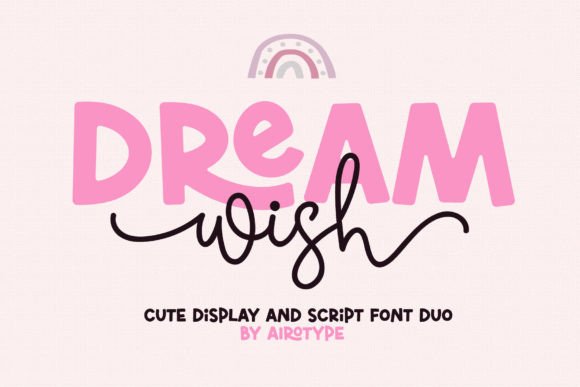
Finding a typeface that feels both personal and versatile can feel like searching for a needle in a haystack. You want something with character—something that doesn't just sit there on the page but actually communicates emotion. Dream Wish is a font duo that steps into that space with a distinctly modern, bouncy energy. It combines a flowing single-line script with a sturdy all-caps bold, giving you two complementary tools that work beautifully together or stand strong on their own.
Understanding the Two Sides of Dream Wish
What makes this particular font pairing interesting is how the two styles balance each other. The script portion carries that handwritten, organic quality many designers crave. It's a single-line font, meaning it has that delicate, continuous stroke you might associate with modern calligraphy or contemporary brush lettering. The included swashes add flair without overwhelming the design, letting you dress up headlines or focal points with a touch of elegance.
On the other side sits the all-caps bold font. This one brings structure and weight. It's clean, confident, and highly readable at various sizes. The built-in ligatures prevent awkward letter combinations that sometimes plague bold display fonts, so words like "LOOK" or "BALLOON" flow naturally rather than looking clunky. Together, these two create a visual conversation—one voice is soft and expressive, the other is loud and assertive.
Where Dream Wish Shines in Real Projects
Think about the last time you scrolled through Instagram and stopped on a post because the typography caught your eye. Chances are, it paired a bold, readable element with something more decorative. That's exactly the kind of dynamic Dream Wish enables.
For brand identity work, this duo offers a ready-made system. A bakery might use the script for its logo and the bold for product labels on packaging. A children's clothing brand could use the bouncy script on hang tags while relying on the all-caps for website headers. The consistency between the two styles creates cohesion without monotony.
Social media managers will find it particularly useful for creating social media graphics that need to communicate quickly. Use the bold font for your main message—something punchy and direct—then layer the script underneath for a secondary line that adds warmth. The contrast naturally draws the eye and helps organize information visually.
Pairing Dream Wish with Other Typefaces
While Dream Wish works as a standalone system, you'll likely want to pair it with a neutral text font for longer body copy. A clean sans serif or a simple serif font will ground the playful energy of Dream Wish without competing for attention. Think of it this way: Dream Wish handles the personality, and your body text font handles the legibility.
When testing font pairings, try setting a headline in the Dream Wish bold and your paragraph text in something like a humanist sans serif. See how they interact at different sizes. If the contrast feels too stark, try adjusting your color palette or letter spacing. The goal is harmony, not uniformity.
For editorial design or blog layouts, consider using the script sparingly—perhaps for pull quotes or section dividers—while letting the bold font handle subheadings. This prevents the decorative elements from becoming tiring to read over long stretches of text.
Practical Considerations for Commercial Use
Before committing any font to a commercial project, licensing matters. Dream Wish is positioned as a premium font, and understanding what that license covers protects you legally. Most commercial licenses allow use in logos, printed materials, digital products, and merchandise—but always verify the specific terms. If you're creating items for sale, like printable invitations or T-shirt designs, make sure your license permits that kind of distribution.
Readability is another practical checkpoint. The script style, while beautiful, isn't designed for long paragraphs or small body text. Reserve it for headlines, short phrases, or accent text where its personality can shine without sacrificing clarity. The bold all-caps style performs much better at smaller sizes, but even here, all-caps text benefits from generous letter spacing and careful line height adjustments.
Matching Typography to Your Project Goals
Every design choice should serve a purpose. Before reaching for a creative font like Dream Wish, ask yourself what emotion your project needs to convey. If you're designing a wedding invitation suite, the script's flowing lines and swashes create romance and celebration. If you're building a brand for a kids' party planning service, the bouncy letterforms communicate fun and energy.
For packaging design, think about shelf presence. Bold typography reads well from a distance, making the all-caps style ideal for product names on boxes or bags. The script can then handle secondary information like taglines or flavor descriptions, adding a human touch to an otherwise structured layout.
Web design applications benefit from using the bold font in hero sections and call-to-action buttons where instant readability matters. The script can accent landing pages, email headers, or digital product covers. Just remember to test how the fonts render across different screen sizes—what looks stunning on a desktop monitor might lose its charm on a phone screen if set too small.
Building Visual Consistency Across Touchpoints
One of the biggest challenges in modern typography is maintaining a unified look across multiple platforms. Your Instagram posts, website, printed brochures, and email newsletters should feel like they belong to the same family. A font duo like Dream Wish simplifies this process because the two styles were designed to complement each other from the start.
Start by establishing rules for your own projects or your clients. Decide which style handles headlines, which handles accents, and stick with those decisions across every deliverable. Document your choices in a simple style guide—even a single page listing your fonts, sizes, and color codes will keep your visual communication consistent over time.
This kind of consistency builds brand recognition. When someone sees your content in their feed, they should be able to identify it before they even read the words. Typography is one of the strongest signals your audience picks up on, often subconsciously. A distinctive yet approachable typeface choice makes that recognition effortless.
Finding the Right Fit for Your Creative Work
Not every font suits every project, and that's perfectly fine. Dream Wish works best for brands and creators who want to project friendliness, modernity, and a sense of play. If your audience expects minimalism or corporate formality, a different approach might serve you better. But if your work lives in the space of lifestyle, food, beauty, children's products, events, personal branding, or creative services, this font duo aligns naturally with those aesthetics.
Try setting a few test layouts before fully committing. Create a mockup of your logo, a social media post, and a printed card using Dream Wish. Look at them together and ask whether they communicate the story you want to tell. Good typography doesn't just look attractive—it reinforces your message and helps your audience connect with what you're offering.