Naofumi: The Display Typeface with a Playful Edge
There’s a certain energy a font can bring to a design that goes beyond mere letters on a screen. It can evoke a feeling, tell a story, or instantly set a tone. For anyone tasked with creating visuals that need to connect with an audience on a human level—whether you're launching a new brand, designing a product label, or crafting social media posts—finding a typeface with genuine personality is key. This is where a font like Naofumi enters the conversation, offering a distinctive tool for projects that call for a bit of character.
More Than Just Letters: Understanding the Font's Character
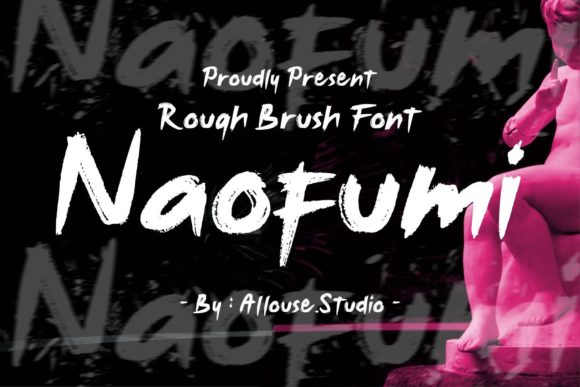
Created by Allouse Studio, Naofumi is a rough brush display font. Let's unpack that. The "display" classification means it's designed for impact at larger sizes, perfect for headlines and logos rather than long paragraphs of body text. The "rough brush" descriptor gets to its core visual appeal: each letterform appears as if it were hand-drawn with a textured, slightly irregular brush stroke. This isn't a sterile, perfect digital font; it has a tactile, organic quality that feels energetic and human-made.
The result is a typeface that feels fun, cartoonish, and approachable. It doesn't take itself too seriously, which can be a massive asset. In a world saturated with clean, minimalist sans serif fonts and elegant serif fonts, Naofumi offers a deliberate break from the norm. It’s a creative font that can help a brand or project feel more authentic, playful, and memorable. Think of it as the typographic equivalent of a hand-painted sign versus a laser-printed one; both communicate, but one carries the mark of its maker.
Where This Font Truly Shines: Practical Applications
The real value of any design asset is in its application. Naofumi's distinctive style makes it particularly well-suited for a range of projects where personality and visual engagement are priorities. It’s not a one-size-fits-all premium font, but for the right context, it’s incredibly effective.
Consider its use in branding and logo design for businesses that want to project a friendly, creative, or youthful image. A children's bookstore, a craft brewery, a local surf shop, or a bakery specializing in whimsical cakes could use Naofumi as a primary logotype to instantly communicate their vibe. For packaging design, it can make a product on a crowded shelf pop, especially for items like artisanal snacks, specialty teas, or handmade cosmetics where a personal touch is part of the brand story.
Beyond physical products, its strengths extend to the digital realm. It can be a fantastic choice for social media graphics—think eye-catching Instagram story headers, YouTube thumbnails, or Pinterest pins that need to stop a scrolling user in their tracks. On a website or blog, it can be used sparingly for main navigation titles or section headers to inject personality without sacrificing overall site readability. For print materials like event posters, flyers for a workshop, or invitations to a casual gathering, it sets a relaxed and inviting tone. Even in editorial layouts for magazines or digital products like e-books and online course materials, it can be used for chapter titles or key callouts to add visual interest.
Integrating Naofumi into Your Design Workflow
Adopting a new font into your toolkit is about more than just liking how it looks. It’s about understanding how it works with your other design assets and serves your project's goals. Here are some practical considerations for using a display font like this effectively.
Font Pairing is Everything. A font with this much personality rarely works well alone in a full design. The key is to pair it with a more neutral, highly readable companion. A clean sans serif font for body text is a classic and reliable choice. It provides a calm, legible foundation that allows the expressive headlines in Naofumi to stand out without causing visual chaos. You might also experiment with a simple script font or a basic serif font for contrast, but always prioritize the readability of your main content blocks.
Readability and Context. Because of its textured, brush-style letterforms, Naofumi is best used for short bursts of text: headlines, logos, single-word callouts, and titles. Avoid setting entire paragraphs or lengthy descriptions in it, as the intricate details can reduce legibility at smaller sizes and over long reading sessions. Always test it at the actual size it will be viewed, whether on a mobile screen or a printed poster.
Check the Included Styles. When you acquire a commercial font, review the full package. Naofumi likely comes with various styles—perhaps regular, bold, italic, or alternate characters. Understanding what's included allows you to create visual hierarchy and variation within your designs. Using a bold weight for a main title and a regular weight for a subtitle can create a cohesive yet dynamic layout.
Licensing for Your Needs. If you're using this for commercial projects—which is likely for designers, business owners, and marketers—ensure you have the correct license. Allouse Studio, like most reputable foundries, will have clear licensing terms for desktop, web, and app use. Respecting these terms is crucial for professional practice and supports the creators who make these design assets possible.
A Tool for Connection, Not Just Decoration
Ultimately, choosing a typeface like Naofumi is a strategic decision about visual communication. It’s not merely about decoration; it’s about choosing a voice for your message. This font can help improve brand recognition by giving your visuals a consistent and unique aesthetic. It can boost audience engagement by presenting information in a more lively and approachable way. And when paired correctly, it can contribute to a professional presentation that feels both polished and full of character.
The next time you're staring at a blank canvas, wondering how to make a project feel more alive, consider the power of a font with a story to tell. Naofumi, with its rough, playful brush strokes, might just be the missing piece that helps your design not only be seen but also felt. It’s a reminder that in the world of modern typography, personality and practicality can, and should, go hand in hand.