Plakat Fraktur: A Gothic Font with Modern Edge
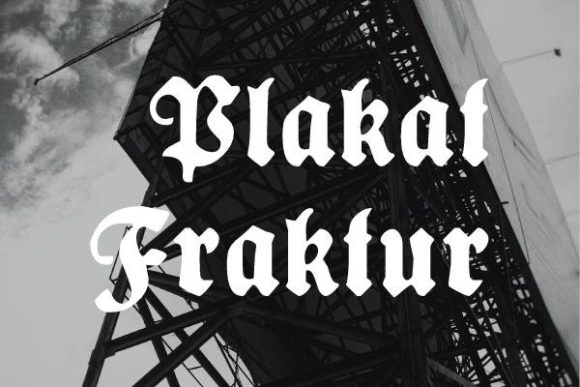
There's a particular kind of visual weight that stops you mid-scroll. It's not just bold—it's architectural, almost sculptural. That's the energy Plakat Fraktur brings to the table. This blackletter typeface, designed by Peter Wiegel, carries the DNA of traditional Gothic script but pushes it into contemporary territory with a slightly bolded, distinctive character that feels both historic and fresh. If you've been searching for a display font that commands attention without relying on gimmicks, this one deserves a closer look.
What makes Plakat Fraktur stand apart from the sea of decorative fonts available today? It's the balance. Too many blackletter fonts lean heavily into ornamental territory, sacrificing legibility for flair. Plakat Fraktur doesn't make that trade-off. Its letterforms are bold enough to anchor a headline yet structured enough to remain readable at a glance—a critical quality when you're designing for fast-moving environments like social media feeds or retail packaging.
Where This Blackletter Typeface Truly Shines
Think about the brands that stick in your memory. Often, their visual identity carries a sense of intentionality—every element feels chosen, not random. Typography plays a massive role in that perception. A font like Plakat Fraktur isn't a background player; it's a statement piece. Consider using it for:
- Logo design where you want to evoke heritage, craftsmanship, or a sense of rebellion
- Packaging for craft beverages, artisanal goods, or boutique products that tell a story
- Poster and event graphics that need to grab attention from across a room or down a street
- Merchandise like apparel, stickers, or prints where bold visual identity matters
- Editorial layouts for magazines, zines, or blogs covering culture, music, or fashion
- Invitations and announcements with a dramatic, ceremonial feel
A craft brewery might pair Plakat Fraktur with a clean sans serif font for bottle labels, creating a contrast that feels both old-world and approachable. A streetwear brand could use it on hang tags and social media banners to build an identity that feels raw and authentic. The applications extend wherever visual storytelling is the goal.
Practical Tips for Working with Display Fonts
Bold typefaces like this one are powerful tools, but they come with responsibilities. Here's what experienced designers keep in mind when incorporating a font like Plakat Fraktur into real projects:
Pair it wisely. A blackletter font rarely works well with another decorative typeface. Instead, match it with a neutral sans serif or a simple serif font for body text. The contrast creates visual hierarchy and keeps your design from feeling cluttered. Think of Plakat Fraktur as the headline act—the supporting cast should complement, not compete.
Test at multiple sizes. What looks stunning in a 72-point headline might lose its charm at 14 points. Before committing to a font for a project, render it at the actual sizes you'll use. Check how the letterforms hold up in small caps, how spacing feels in tight layouts, and whether any characters create awkward combinations.
Consider your audience. A younger, culture-savvy crowd might read blackletter as edgy and cool. A more traditional audience might associate it with formality or religious contexts. Neither interpretation is wrong—but knowing which one your audience will lean toward helps you use the font more strategically. Context shapes perception.
Don't overuse it. Reserve Plakat Fraktur for moments that matter: a hero banner, a product name, a headline that needs to land. If every element on your page screams for attention, nothing gets heard. Let the font do its work in focused, deliberate doses.
Accessing Every Glyph and Swash
One practical detail worth noting: Plakat Fraktur is PUA encoded. For anyone who's wrestled with fonts that hide their best characters behind obscure keyboard shortcuts, this is genuinely helpful. PUA (Private Use Area) encoding means every glyph, alternate, and decorative swash included with the font is accessible through standard character map tools or your design software's glyph panel. No special plugins. No workarounds.
This matters when you're customizing a logo or creating a monogram and want to swap in a more ornate version of a particular letter. It also means you're getting the full value of the typeface—every stylistic option Peter Wiegel built into it is at your fingertips from day one.
Building Brand Recognition Through Typography
Consistency is the quiet engine behind every recognizable brand. When your audience sees the same typeface across your website, packaging, social media graphics, and print materials, something clicks. They start associating that visual language with your business before they even read the words. That's the power of a cohesive brand identity—and typography is one of the most accessible ways to build it.
Choosing a distinctive display font like Plakat Fraktur for your primary visual identity gives you an immediate differentiation point. In a marketplace flooded with minimalist sans serifs and generic script fonts, a bold blackletter typeface signals something different. It says you've made a deliberate choice. It suggests depth, personality, and confidence in your brand's story.
That said, committing to a font for your brand isn't a casual decision. Spend time with it. Mock up several applications before you finalize. Create a simple style guide that specifies when and how to use it. Does it work for your website headers? Does it translate well to print? Does it pair with your color palette? These questions matter more than how a font looks in isolation.
Licensing and Long-Term Use
Before you roll out any premium font across your brand materials, verify the licensing terms. Commercial use—whether on products for sale, client work, or business marketing—typically requires a commercial license. Plakat Fraktur's licensing details are straightforward, but it's always smart to double-check what's covered. Can you use it on merchandise? In digital products? For client projects? Knowing these boundaries upfront protects you legally and ensures your design assets are built on solid ground.
Font pairing, brand consistency, audience perception, licensing—these aren't glamorous topics, but they're the foundation of professional design work. A typeface like Plakat Fraktur gives you a compelling creative starting point. How far you take it depends on the intention and care you bring to the rest of the process.