Alpha Echo: A Display Typeface with Textured Edge
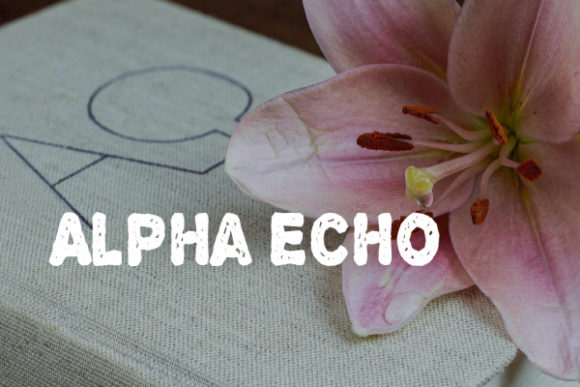
Sometimes, a design needs more than just clean lines and predictable curves. It needs a bit of grit, a sense of texture, and a voice that feels raw and immediate. That’s the space where Alpha Echo operates. Created by designer Vic Fieger, this isn’t your typical polished display font. Its signature is a shredded, almost eroded appearance that gives letterforms a tangible, weathered quality. It’s the kind of typeface that doesn’t just sit on a surface—it seems to have a story, a history etched right into its strokes. For anyone working on a project that demands a bold, tactile presence, this font offers a distinctive tool that can cut through visual noise.
Where Texture Meets Typography
What makes Alpha Echo visually compelling is its deliberate imperfection. The edges aren’t crisp; they’re frayed, as if the letters were printed on rough paper or carved into a surface. This quality lends an organic, almost handmade feel to digital text. It’s a display font in the truest sense, designed for impact at larger sizes where its detailed texture can be fully appreciated. Think of it as a visual shorthand for authenticity and edge. In a landscape saturated with smooth, geometric sans serifs and elegant scripts, a typeface like this provides an immediate point of differentiation. It communicates a mood—something between industrial, vintage, and rebellious—that can be hard to achieve with more conventional type families.
This texture isn’t just visual flair; it serves a functional purpose in branding and design. When used in a logo or on packaging, it can help a brand feel more grounded and less sterile. For a craft brewery, a band merchandise line, or an outdoor adventure brand, this kind of character is invaluable. It suggests process, effort, and a rejection of the overly digital. The font becomes part of the brand’s narrative, helping to build an identity that feels real and approachable, even if the subject matter is bold or avant-garde.
Practical Applications for a Distinctive Typeface
Choosing a font like Alpha Echo is a strategic decision about aligning visual style with project goals. Its unique personality makes it unsuitable for body text, but it shines in contexts where a headline needs to grab attention and hold it. Here’s where it can be particularly effective:
- Brand Identity & Logo Design: For brands targeting a youth demographic, the music scene, artisanal products, or any niche that values individuality, Alpha Echo can form the core of a striking logo. Its texture ensures the mark is memorable and feels custom, even when using a commercial font.
- Packaging Design: On product labels, sleeves, or boxes, the font’s tactile quality can enhance the perceived value of the contents. It works exceptionally well for products like specialty coffee, vinyl records, craft spirits, or limited-edition apparel where the packaging itself is part of the experience.
- Social Media & Digital Content: In the fast-scrolling environment of Instagram, TikTok, or YouTube thumbnails, a text overlay set in Alpha Echo can stop the scroll. It’s perfect for quotes, event announcements, or series titles that need a bit of grit and personality. Pair it with a clean sans serif font for body copy to maintain readability.
- Editorial & Print Layouts: Magazine covers, feature article headers, or poster designs can benefit from its bold presence. It adds a layer of visual interest that a standard serif font or modern geometric sans might lack, especially for topics related to culture, art, music, or streetwear.
- Event & Invitation Design: For concerts, gallery openings, or themed parties, the font sets a mood before the event even begins. It tells guests to expect something different, something with a bit more edge than a standard formal invite.
- Merchandise & Apparel: T-shirt graphics, hat embroidery, or tote bag prints often rely on powerful typography. Alpha Echo’s detailed texture translates well to these applications, creating designs that feel substantial and worth wearing.
Integrating a Creative Font into Your Workflow
Adopting a distinctive typeface requires more than just liking how it looks. It needs to work within your broader design system. The first step is always to consider your audience and the message you want to convey. Alpha Echo speaks to informality, creativity, and a touch of rebellion. It’s a premium font that’s an asset for the right project but could feel out of place on a corporate financial report.
Next, think about font pairing. A strong display font like this needs a complementary partner for longer text. Look for a highly readable serif or sans serif typeface that shares a similar x-height or visual weight but offers a contrasting style—perhaps a clean, modern grotesque or a humanist sans. The goal is harmony, not competition. Let Alpha Echo own the headlines while the supporting font handles the information.
Always test the font in context. View it at the actual size it will be used, whether on a mobile screen or a printed poster. Check its readability against different background colors and textures. Its shredded edges can sometimes merge with busy backgrounds, so ensure there’s sufficient contrast. Review the full character set and any included styles or alternates. Many professional fonts come with multiple weights, stylistic sets, or ligatures that can expand your creative options.
Finally, consider licensing. If you’re using Alpha Echo for a client’s logo, for merchandise you plan to sell, or for a widely distributed app, ensure you have the correct commercial font license. Reputable foundries and marketplaces are clear about usage rights, and respecting these ensures you can use the typeface confidently in your professional work.
Making a Statement with Your Design Choices
In the end, typography is a tool for communication. A font like Alpha Echo doesn’t just spell out words; it injects them with feeling and context. It can transform a simple social media graphic into a compelling visual, turn a product label into a shelf standout, or give a band’s poster an authentic, DIY energy. By understanding its strengths and its appropriate contexts, you can leverage its unique texture to build stronger visual narratives. It’s a reminder that sometimes, the most effective design choices are the ones that embrace imperfection and character, helping your work connect on a more human level.