Munnes: A Serif Font Where Vintage Charm Meets Modern Edge
There’s a particular kind of design project that calls for more than just legible text. It whispers for a touch of history, a hint of craftsmanship, and a quiet confidence that feels both familiar and fresh. You know the feeling—you’re building a brand identity, designing a wedding invitation, or crafting a book cover, and you need a typeface that doesn’t just sit on the page but tells a story. This is where a beautifully crafted serif font like Munnes enters the conversation. It’s not just another set of letters; it’s a carefully curated visual voice that bridges the gap between timeless elegance and contemporary design needs.
The Visual Personality: More Than Just Curves and Strokes
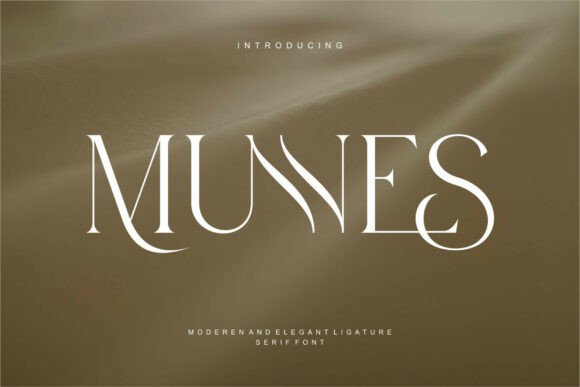
At its core, Munnes is a premium serif font that masters a delicate balance. Its characters carry the refined aesthetic of classic typography, with graceful serifs and a steady, readable rhythm. Yet, look closer, and you’ll notice subtle details—a modern edge in its proportions, a slightly condensed form, or a thoughtful contrast between thick and thin strokes. This isn’t a font that feels dusty or outdated. It feels intentionally crafted for today’s visual landscape. The result is a typeface that conveys sophistication and class without sacrificing a touch of nostalgia. It’s this duality that makes it so versatile. It can feel luxurious on a product label, authoritative in an editorial layout, and warmly inviting on a personal blog header.
Where This Typeface Truly Shines: Practical Applications
Understanding a font’s personality is one thing; knowing where to apply it is where the real value lies for designers, entrepreneurs, and creators. Let’s move beyond theory and into the practical world of projects.
For Brand Identity and Logo Design: Your brand’s typeface is its signature. Munnes, with its blend of tradition and modernity, is an excellent candidate for logos and brand systems that aim to feel established yet relevant. Think of a boutique law firm, a high-end skincare line, an artisanal coffee roaster, or an independent publisher. The font lends immediate credibility and a sense of curated quality. It helps build brand recognition by offering a distinct and memorable visual character that stands out from more generic serif options.
For Editorial and Publishing: Whether you’re designing a magazine spread, a book cover, or a report, readability is paramount. The clear letterforms and balanced weight of Munnes ensure it holds up beautifully in longer text blocks, making it a strong choice for body text in editorial design. For headlines and pull quotes, its more stylistic details can be used to create visual hierarchy and draw the reader’s eye, enhancing overall audience engagement.
For Packaging and Product Design: On a shelf, packaging has mere seconds to communicate. A premium font like Munnes can instantly signal the quality and story of the product inside. Imagine it on a craft beer bottle, a box of artisan chocolates, or a vintage-style candle label. It supports the narrative of care, quality, and authenticity, which can be a powerful differentiator in crowded markets.
For Digital Spaces: Websites, Blogs, and Social Media: In the realm of web design, Munnes can serve as a beautiful heading font that sets the tone for an entire site. Paired with a clean, simple sans-serif font for body text, it creates a dynamic and professional font pairing. For social media graphics and digital marketing assets, it adds a layer of polish that can elevate a simple quote graphic or announcement, making your content feel more substantial and trustworthy.
For Invitations and Special Projects: The inherent elegance of a serif typeface makes it a natural fit for event stationery. Wedding invitations, gala programs, or milestone birthday cards benefit from its refined aesthetic. It communicates the importance and celebratory nature of the event with grace.
From Screen to Print: Ensuring Your Design Succeeds
Choosing the right creative font is only half the battle. Using it effectively requires a bit of practical strategy.
Test Before You Commit: Always test your chosen font in context. Create a mockup of your logo, set a paragraph of body text, or design a sample social media post. How does it look at small sizes? Is the text still legible? Does it maintain its character when printed on different materials? This step is non-negotiable for ensuring visual consistency across all your touchpoints.
Master the Font Pairing: Munnes, as a display or serif font, often pairs best with a simpler sans-serif for body copy. This creates contrast and ensures readability for longer texts. Experiment with pairings. A geometric sans-serif can give it a more modern feel, while a humanist sans-serif might soften it for a more approachable brand. The goal is harmony, not competition.
Understand the Included Styles: A quality font family often comes with multiple styles—Regular, Bold, Italic, maybe even Light or Semibold. Review what’s included. Using the Bold weight for headlines and the Regular for subheads is a simple way to create hierarchy within your brand identity system. The Italic can be perfect for quotes, captions, or adding emphasis without breaking the visual flow.
Clarify the Licensing: This is a crucial, often overlooked, step. If you’re using the font for commercial work—client projects, products for sale, or business marketing—you need to ensure you have the correct commercial font license. This protects you legally and ensures the font creator is fairly compensated for their work, which supports the ecosystem of quality design assets we all rely on.
A Tool for Storytelling, Not Just Typography
Ultimately, a typeface like Munnes is a tool for visual storytelling. It’s a design asset that can help small business owners project the professionalism they’ve worked hard to build. It allows content creators to add a layer of sophistication to their digital presence. It gives designers a versatile and expressive instrument to realize a client’s vision. By choosing a font with a strong, coherent personality and applying it thoughtfully, you’re not just filling space with text. You’re crafting an experience, building trust, and adding a subtle but powerful layer of meaning to every project you touch. It’s this thoughtful approach to typography that transforms good design into memorable communication.