Typewriter Font: The Authentic Character of Mechanical Nostalgia
There's something deeply satisfying about the crisp, slightly imperfect impression of a typewritten page. Before digital perfection became the norm, every character carried the subtle weight of a key strike, the faint ghost of an ink ribbon, and the occasional misalignment that made each document uniquely human. The Typewriter font captures this entire sensory experience in digital form, offering designers and creators a powerful tool for evoking authenticity, heritage, and tactile warmth in their projects.
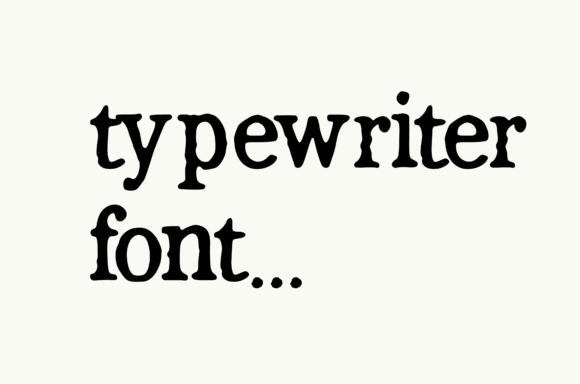
This isn't just another retro typeface that mimics old technology. Typewriter is a robust, heavily weighted serif font that genuinely understands the mechanics of vintage printing. Its thick, uneven strokes and distinctive rounded serifs recreate the exact visual texture produced by those heavy metal machines. The slight irregularity in character alignment and stroke density isn't a flaw—it's the very quality that makes this typeface feel real. When you use Typewriter, you're not just choosing a font style; you're adopting a visual language that communicates reliability, craftsmanship, and honest storytelling.
Why Authentic Imperfection Matters in Modern Design
In a landscape saturated with sleek, geometric sans serif fonts and flawless digital typography, there's growing appreciation for designs that feel genuinely human. Audiences respond to visual elements that suggest real hands were involved in creation. The Typewriter font delivers exactly this quality without sacrificing professionalism or readability.
Consider the psychological impact. When someone sees typewritten text on a book cover, a restaurant menu, or a boutique product label, they instinctively connect it with careful thought, deliberate communication, and personal attention. This typeface carries an inherent sense of gravity and sincerity that modern fonts often struggle to convey. For small business owners developing brand identity, this emotional resonance can be incredibly valuable. A bakery using Typewriter on its packaging communicates homemade quality. A consulting firm using it in presentation materials suggests thorough, methodical thinking. An indie publisher using it on book covers signals literary tradition and editorial integrity.
Practical Applications Across Creative Projects
The versatility of this monospaced typeface extends far beyond novelty or retro-themed designs. Its strong visual character makes it a genuinely useful addition to any designer's toolkit, suitable for both commercial and personal projects.
Brand Identity and Logo Design: Companies seeking to project heritage, authenticity, or artisanal quality find tremendous value in Typewriter. It works particularly well for brands in publishing, food and beverage, outdoor recreation, legal services, and any business wanting to emphasize trustworthiness. The font's bold weight ensures it remains legible even at smaller sizes in logos, while its distinctive personality makes brand marks instantly recognizable.
Packaging and Product Labels: Physical products benefit enormously from typography that feels tactile. Typewriter excels on craft beer labels, coffee packaging, artisanal food products, candle jars, and cosmetics. The font suggests that someone personally oversaw every detail of production, which justifies premium pricing and builds consumer trust.
Editorial and Print Design: Book covers for historical non-fiction, memoirs, mystery novels, and literary fiction gain immediate visual depth with this typeface. Magazine layouts, newspaper-style publications, and zines all benefit from its authentic mechanical aesthetic. The slightly misaligned letters and crisp strikes create visual texture that draws readers into the content before they read a single word.
Digital Projects and Web Design: Websites, blogs, and online publications can use Typewriter strategically for headlines, pull quotes, and navigation elements. It pairs beautifully with clean sans serif body text, creating visual hierarchy while maintaining readability. The font loads efficiently and renders clearly across screen sizes, making it practical for modern web design applications.
Social Media and Marketing Assets: Instagram graphics, Pinterest pins, Facebook headers, and promotional materials gain distinctive character with typewriter-style typography. In feeds dominated by clean, minimalist design, the textured warmth of Typewriter cuts through visual noise and captures attention. It's particularly effective for quotes, announcements, and storytelling posts.
Invitations and Event Materials: Wedding invitations, corporate event programs, workshop announcements, and festival posters all benefit from the font's blend of elegance and informality. It suggests careful planning with a personal touch—exactly the impression most event organizers want to create.
Merchandise and Physical Products: T-shirts, tote bags, mugs, posters, and stickers featuring Typewriter typography appeal to audiences who appreciate vintage aesthetics and authentic craftsmanship. The font works exceptionally well for limited-edition releases and collector's items.
Building Visual Consistency and Brand Recognition
One of the most practical benefits of adopting a distinctive typeface like Typewriter is the consistency it brings to multi-platform design. When a brand uses the same font across its website, social media, packaging, print materials, and merchandise, it creates a cohesive visual identity that audiences learn to recognize instantly.
This recognition compounds over time. Customers begin associating the specific visual texture of typewritten text with your brand's values and personality. The font becomes a shorthand for everything your business represents. This is far more effective than using generic typography that blends into the background of competitors' materials.
Readability remains strong despite the font's decorative qualities. The generous letter spacing typical of monospaced designs actually aids comprehension, particularly in shorter text blocks like headlines, subheadings, and call-to-action buttons. For longer passages, pairing Typewriter with a clean serif or sans serif body font creates an elegant balance between personality and readability.
Smart Font Pairing Strategies
The most effective typography systems combine complementary fonts that serve different functional roles. Typewriter performs best as a display or headline font, where its character and texture can shine without overwhelming readers in extended text.
For body copy, consider pairing it with a neutral sans serif like a geometric or humanist typeface. The contrast between Typewriter's textured warmth and the clean simplicity of modern body text creates dynamic visual hierarchy. Alternatively, pairing it with a traditional serif font for body text creates a more cohesive vintage aesthetic, suitable for editorial projects and literary publications.
When selecting pairings, test combinations at multiple sizes and in context. A font pairing that looks beautiful in a design mockup might not work as well on a mobile screen or a printed business card. Pay particular attention to x-height compatibility—fonts with similar lowercase letter heights tend to work together more harmoniously than those with dramatically different proportions.
Licensing and Practical Considerations
Before incorporating any premium font into commercial projects, verify the licensing terms carefully. Most professional fonts include specific permissions regarding usage across different media, number of installations, and whether the font can be embedded in digital products or applications. Understanding these terms upfront prevents complications later, particularly for client work or products intended for sale.
Review all included font styles and weights before beginning a project. Many typewriter-inspired typefaces include regular, bold, italic, and condensed variations that expand creative possibilities significantly. Having access to multiple weights allows for more sophisticated typographic hierarchies without introducing additional typefaces that might compete visually.
Consider accessibility when using decorative fonts. Ensure sufficient contrast between text and background colors, and test readability with users who may have visual processing differences. The textured nature of typewriter fonts can sometimes reduce legibility at very small sizes or in low-contrast situations, so thoughtful implementation matters.
Bringing History to Life in Contemporary Contexts
The Typewriter font succeeds because it doesn't simply reference the past—it translates the emotional qualities of mechanical printing into a format that works seamlessly in modern design workflows. Every character carries the mark of manual craftsmanship, yet the font functions perfectly in contemporary software, responsive websites, and digital marketing platforms.
For designers, marketers, and creative entrepreneurs, this typeface offers something increasingly rare: genuine personality in an era of algorithmic uniformity. It provides an immediate sense of heritage and reliability that strengthens brand narratives, engages audiences on an emotional level, and transforms ordinary projects into memorable visual experiences.
Whether you're designing a book cover, building a brand identity, creating social media content, or developing packaging for a new product, Typewriter delivers authentic character that resonates with audiences who value substance over superficiality. It's a design asset that earns its place in any creative toolkit—not through novelty, but through genuine, lasting visual impact.