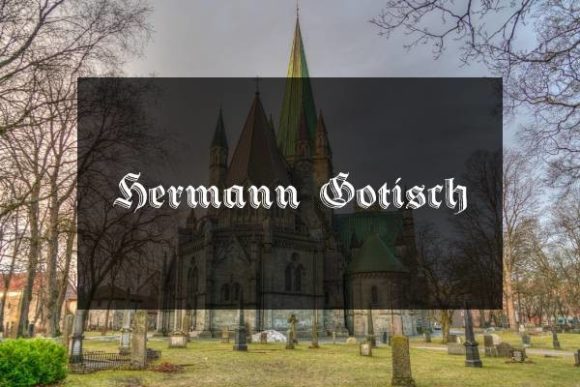
Hermann Gotisch: The Bold Blackletter That Commands Attention
There's a moment in every design project where you realize the typography isn't just filling space—it's telling a story. If you've ever needed a font that doesn't just sit politely on the page but instead strides in with unapologetic presence, you might have been searching for something like Hermann Gotisch. Created by Peter Wiegel, this gothic blackletter typeface carries a weight and historical resonance that feels both timeless and strikingly contemporary. It’s the kind of font that makes a viewer pause, not because it’s hard to read, but because it feels intentional, crafted, and full of character.
More Than Just Old-World Charm
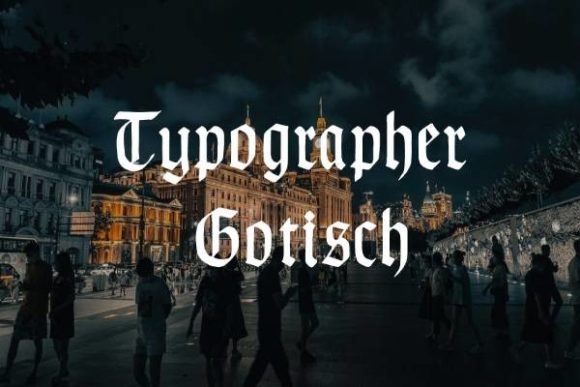
At first glance, Hermann Gotisch might remind you of medieval manuscripts or vintage brewery labels. That's the blackletter heritage shining through. But what makes this particular typeface a practical tool for modern creators is its assertive, clean execution. The letterforms are bold and structured, with sharp angles and confident strokes that avoid looking overly fussy or dated. It doesn't whisper; it declares. This makes it an excellent choice when you want to establish a strong visual identity right from the start. Think of it as the typographic equivalent of a firm handshake—it makes an impression that’s hard to forget.
One of its most useful features for hands-on creators is that it’s PUA encoded. For those who aren’t deep into font technicalities, this simply means every glyph, swash, and stylistic alternate is accessible directly through your system's character map or the glyphs panel in design software like Adobe Illustrator or Photoshop. You don't need special programming knowledge to unlock the full creative potential. Want to add a decorative flourish to the capital letter in a logo? It’s right there. Need a unique alternate for a specific letter to avoid repetition in a headline? Just select it. This accessibility turns the font from a static asset into a versatile design partner.
Where Can You Actually Use It?
The real question is where a font with this much personality fits into your workflow. Its strong visual identity makes it a specialist, not a generalist. You wouldn’t set a long blog post or a technical manual in it, but for projects that need to convey heritage, strength, craftsmanship, or a touch of rebellious edge, it shines.
- Branding & Logo Design: It’s perfect for businesses in artisanal food, craft beer, barbershops, tattoo studios, outdoor gear, or any brand that wants to evoke tradition, durability, or a handmade ethos. A logo set in Hermann Gotisch immediately suggests a story and a certain level of authenticity.
- Packaging Design: On a coffee bag, a bottle of hot sauce, or a vinyl record sleeve, this typeface can elevate the product from a commodity to an experience. It grabs attention on a crowded shelf and communicates quality before the customer even reads the product name.
- Social Media & Digital Content: For Instagram graphics, YouTube thumbnails, or podcast artwork, a bold display font like this can stop the scroll. Use it for key headlines or event titles to create visual hooks that boost engagement.
- Posters & Event Invitations: Music festivals, gallery openings, themed parties, or local market flyers benefit from the dramatic flair of blackletter typography. It sets a mood instantly—whether that mood is edgy, classic, or fantastical.
- Merchandise & Apparel: T-shirt designs, hat embroidery, or sticker packs often rely on striking typography. Hermann Gotisch gives merchandise a professional, designed look that stands apart from generic clip-art fonts.
- Editorial & Web Design: Used sparingly for chapter titles, pull quotes, or section headers, it can add dramatic punctuation to a magazine layout, a book cover, or a website’s hero section.
Making It Work: Practical Tips for Pairing and Readability
Using a powerful display font effectively is all about balance. You wouldn’t wear a statement necklace with a patterned, sequined outfit—similarly, Hermann Gotisch works best when it has room to breathe and isn’t competing with other loud elements.
Font Pairing is Key: The golden rule with a strong blackletter is to pair it with something simple and highly readable. A clean, modern sans-serif font for body text is a classic and foolproof combination. Think Helvetica, Open Sans, or Lato. The contrast lets the Hermann Gotisch headline command attention while the supporting text remains easy to read. For a more thematic pairing that leans into heritage, a simple serif font could work, but test it carefully to ensure the overall feel isn’t too heavy.
Readability Considerations: While Hermann Gotisch is designed with clarity in mind, blackletter fonts are inherently more decorative. Use it for headlines, titles, logos, and short phrases—anywhere you want maximum impact with minimal text. Avoid using it for paragraphs of body copy, small print on packaging, or crucial instructional information where quick readability is paramount. Always print a test or view it at the actual size it will be used to ensure every letter is distinct.
Exploring the Styles: While the core font is its bold blackletter form, check the full package for any included styles or alternates. Sometimes a family includes a slightly lighter weight or decorative versions that can offer more flexibility within a single project, helping you maintain visual consistency while adding subtle variety.
Thinking Like a Brand Strategist
Choosing a font like Hermann Gotisch isn’t just an aesthetic decision; it’s a strategic one. Typography is a fundamental component of brand identity. The right typeface helps build recognition, conveys values, and speaks directly to your target audience. If your brand’s personality is bold, traditional, skilled, or a bit defiant, this font can become a cornerstone of your visual language.
Before you commit, ask yourself: Does this font’s personality align with the story my brand or project is telling? Who am I trying to reach, and what will resonate with them? A vintage motorcycle shop and a sustainable candle maker might both use a blackletter font, but they would style it very differently—gritty and raw versus refined and organic.
Also, consider the commercial licensing. Since Hermann Gotisch is available as a premium font, ensure you acquire the correct license for your intended use, whether it’s for a client project, merchandise for sale, or a personal blog. Using fonts legally is not only ethical but protects you and your work.
In the end, typography is one of the most powerful tools in your design arsenal. A font like Hermann Gotisch offers more than just letters; it offers a mood, a history, and a statement. Used thoughtfully, it can transform a simple project into a memorable one, giving your work the kind of distinct voice that truly differentiates it from the competition. It’s not for every job, but for the right job, it’s absolutely perfect.