Paganini: A Bold Blackletter Font for Unforgettable Designs
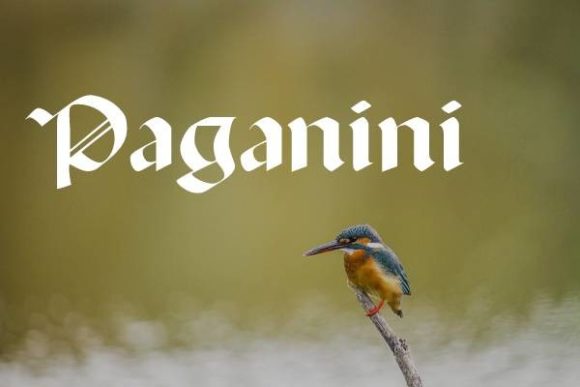
Sometimes a project demands more than just clean lines and safe choices. It needs a voice that’s steeped in history yet feels undeniably modern—a typeface that commands attention before a single word is read. Enter Paganini, a gothic-styled blackletter font that marries the raw power of medieval script with a distinct, slightly bolded personality. Designed by Peter Wiegel, this isn’t just another font; it’s a statement piece for your creative toolkit, offering a bold visual anchor for projects that aim to stand out.
The Allure of the Gothic Revival in Modern Design
Blackletter fonts, often associated with old manuscripts and vintage signage, have made a significant comeback. But Paganini isn’t a simple revival. It refines the classic gothic style, softening some of the intricate, hard-to-read flourishes while retaining that unmistakable, authoritative presence. The result is a display font that feels both historical and fresh. Its slightly bolded weight gives it a grounded, sturdy appearance on screen and in print, ensuring it doesn’t get lost in a busy layout. This makes it a fantastic creative font for anyone looking to inject a dose of drama and sophistication into their work.
Think about the brands and projects that stick in your mind. Often, their visual identity hinges on a unique typographic choice. A font like Paganini can become the cornerstone of a powerful brand identity, especially for businesses in niches like craft brewing, tattoo artistry, vintage apparel, specialty coffee, or even a bold music blog. It immediately communicates a sense of tradition, craftsmanship, and a slightly rebellious spirit. For a logo design, it can create an instantly recognizable mark that feels both timeless and edgy.
Practical Applications: Where Paganini Truly Shines
The true test of a premium font is its versatility. While Paganini is a bold display face, its applications are surprisingly broad when used thoughtfully. Here’s how you can leverage its distinct character across various mediums:
- Branding & Logo Design: Use Paganini for your main wordmark or a monogram to establish a strong, memorable identity. It’s perfect for businesses that want to convey heritage, authenticity, or artisanal quality.
- Packaging Design: On labels for hot sauce, whiskey, specialty teas, or handmade goods, this typeface adds a layer of perceived value and story. It tells customers there’s depth and care behind the product.
- Social Media Graphics: Stand out in a crowded feed. Use Paganini for bold headlines on Instagram posts, YouTube thumbnails, or podcast cover art. It grabs attention instantly, which is crucial for stopping the scroll.
- Websites & Blogs: While not ideal for body text, it’s perfect for hero sections, impactful blog post titles, or pull quotes. Pair it with a clean sans-serif font for body copy to balance readability with visual impact.
- Print & Editorial Layouts: Magazine covers, event posters, book chapter headings, and concert flyers all benefit from its dramatic flair. It sets a powerful tone for the entire piece.
- Merchandise & Invitations: From t-shirt graphics to wedding invitations with a gothic or vintage theme, Paganini adds a unique, handcrafted feel that generic fonts can’t match.
Maximizing Impact: Pairing and Readability Tips
Using a powerful font like Paganini effectively is all about balance. Its strength lies in headlines and short bursts of text. For longer paragraphs, you’ll want to pair it with a highly legible serif font or a simple sans-serif font. This creates a visual hierarchy that guides the reader’s eye and ensures your message is both seen and understood.
Font Pairing Ideas: Try combining Paganini with a classic serif like Playfair Display for a sophisticated, editorial feel. For a more modern, clean contrast, pair it with a geometric sans-serif like Montserrat or Proxima Nova. The key is to let Paganini be the star of the show while its partner font handles the supporting role of readability.
Always test your pairings in context. View them on different screens and in print if possible. Check the contrast between the bold, textured strokes of Paganini and the cleaner lines of your body font. Does the hierarchy feel natural? Is the overall presentation professional and easy to engage with? Remember, even the most beautiful creative font fails if it compromises the user’s ability to comfortably read your content.
Leveraging the Full Toolkit: Glyphs and Licensing
One of the most practical advantages of Paganini is that it’s PUA encoded. This means every single glyph, swash, and stylistic alternate is fully accessible, even in basic design software. You can easily add decorative elements to initial letters or create unique ligatures that give your typography a truly custom, hand-lettered appearance. Before finalizing a design, take a moment to explore the full character map—you might discover a perfect flourish for your logo or an alternate ‘R’ that elevates your headline.
As with any commercial font, understanding the licensing is crucial for professional use. Ensure the license you acquire covers your intended use, whether for a client’s brand identity, digital products for sale, or mass-produced merchandise. A legitimate license is an investment in your project’s professionalism and legal security, allowing you to use this powerful design asset with complete confidence.
Ultimately, choosing a typeface like Paganini is about more than aesthetics; it’s about strategic communication. It’s for the designer, entrepreneur, or creator who understands that typography is a silent ambassador for a brand’s voice. When used with intention, it doesn’t just decorate a page—it builds recognition, evokes emotion, and creates a lasting impression that helps your work cut through the noise.