Hydrogentype: A Display Font That Commands Attention
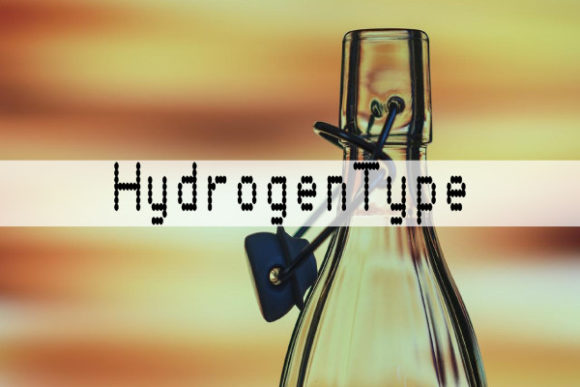
There's a particular moment in every design project where the typography either clicks or falls flat. You've nailed the layout, chosen the perfect color palette, and the imagery feels right—but something's missing. That missing piece is often a typeface with enough personality to tie everything together without overwhelming the composition. Hydrogentype, a decorative display font crafted by Vic Fieger, sits squarely in that sweet spot. It carries a distinct visual rhythm—elegant lines meeting bold, structured forms—that makes it impossible to ignore on a poster, flyer, or product label.
What Makes This Typeface Stand Out
Hydrogentype isn't trying to be everything to everyone, and that's precisely what gives it strength. It's a display font at its core, meaning it's engineered for impact at larger sizes rather than long-form body text. The letterforms have a modern, slightly geometric quality softened by fluid curves and thoughtful detailing. Each character feels intentionally designed, not just assembled from a template.
What you'll notice first is the balance between weight and elegance. The strokes carry enough presence to hold their own against busy backgrounds, yet they never feel heavy or clunky. There's a sophistication here that works across a surprising range of contexts—from a minimalist brand identity to a vibrant event poster. The distinct appearance comes from subtle stylistic choices: how a terminal curves, how negative space is distributed, how individual letters relate to one another when set in a word or phrase.
For designers who spend hours testing font pairing combinations, Hydrogentype plays well with clean sans serif companions and even certain serif options. Its decorative nature means it handles headlines and hero text with confidence, while a simpler secondary typeface can manage the supporting copy. That contrast creates visual hierarchy naturally—something every brand identity system needs.
Where Hydrogentype Earns Its Place in Your Toolkit
Think about the last time a piece of packaging design caught your eye in a store aisle. Chances are, the typography did a lot of heavy lifting. Hydrogentype has the kind of presence that works on product labels, box designs, and branded merchandise. A craft brewery, a boutique candle company, or an artisanal food brand could use this premium font to establish a visual tone that feels curated rather than generic.
Social media graphics are another arena where this typeface shines. Instagram posts, Pinterest pins, and Facebook ads all compete in a scroll-heavy environment. You have maybe two seconds to stop someone's thumb. A creative font like Hydrogentype, set against a clean background with a strong color, can do that heavy lifting without requiring elaborate illustration or photography. It turns words into visual anchors.
Consider these practical applications where the font delivers real value:
- Logo design for startups and small businesses seeking a memorable wordmark
- Poster and flyer layouts for events, launches, and promotions
- Invitations for weddings, galas, and corporate gatherings
- Editorial design for magazine covers, feature spreads, and chapter openers
- Web design hero sections and landing page headlines
- Digital products like e-book covers, course graphics, and downloadable templates
- Merchandise including apparel prints, tote bags, and stickers
- Marketing assets such as email headers, banner ads, and sales sheets
Bloggers and content creators often struggle with making their headers and featured images feel polished. Hydrogentype solves that problem without requiring a design degree. Drop it into a blog post graphic, pair it with a simple sans serif for the body text, and the result looks intentional and professional.
Matching Typography to Your Project's Goals
Choosing a typeface isn't just about what looks good in isolation—it's about what serves the project. A handwritten font might feel warm and personal for a bakery's branding, but it could undermine the credibility of a financial consultancy. Hydrogentype occupies a versatile middle ground. Its elegance reads as polished and intentional, while its decorative character prevents it from feeling sterile or corporate.
Before committing to any design assets, test how the font behaves in context. Set your headline in Hydrogentype, then pair it with a neutral body font. Print a sample at actual size if the project involves physical materials. View it on multiple screens if it's heading to the web. Readability at the intended size and distance matters more than how a font looks at 200 pixels on your monitor.
Pay attention to the font styles included in the package. Many commercial fonts ship with multiple weights, alternates, or stylistic sets. Understanding what's available lets you create variety within a single typeface family—useful for visual consistency across a brand identity system where you need hierarchy without introducing competing typefaces.
Practical Considerations for Real Projects
Licensing deserves a moment of attention. If you're using Hydrogentype for a client project, merchandise you plan to sell, or any commercial application, confirm the license covers that use. Most premium font licenses distinguish between personal and commercial use, and some require extended licenses for large-scale distribution like app embedding or high-volume print runs. Reading the terms upfront prevents headaches later.
When testing font pairing, resist the urge to combine Hydrogentype with another decorative typeface. Two expressive fonts competing for attention creates visual noise. Instead, anchor it with something grounded—a geometric sans serif for a modern feel, or a classic serif for something more editorial. The contrast lets Hydrogentype's personality breathe without cluttering the design.
One overlooked aspect of working with display fonts is spacing. Letters that look tight on screen might feel cramped in print, and vice versa. Adjust tracking and kerning to suit the medium. On a poster viewed from several feet away, slightly looser spacing improves readability. On a social media graphic viewed on a phone, tighter spacing can feel more cohesive at smaller sizes.
Building Brand Recognition Through Thoughtful Typography
Audience engagement starts with recognition. When someone sees your brand's typography consistently across packaging, your website, social media graphics, and printed materials, that visual language becomes shorthand for your identity. Hydrogentype offers enough character to become a recognizable element of your brand without being so niche that it limits your creative range.
Small business owners and creative entrepreneurs often underestimate how much typography influences perception. A modern typography choice signals that a brand is current and intentional. It suggests attention to detail—the same quality customers look for in products and services. Investing in a well-crafted display font like this one is a relatively small decision that compounds into a more professional presentation across every touchpoint.
The beauty of a typeface with a distinct appearance is that it does double duty. It communicates your message through the words themselves while simultaneously conveying tone, personality, and positioning through visual form. Hydrogentype, with its elegant lines and confident structure, handles that dual role with the kind of polish that separates amateur layouts from professional ones. Whether you're designing a one-off event poster or building an entire brand system, it's the kind of asset that earns its place in your font library.