Simple Planner: The Handwritten Font for Authentic Branding
Finding a font that feels genuinely human can be a game-changer for any project. It's the difference between a design that feels cold and corporate, and one that resonates with warmth and personality. This is where Simple Planner enters the picture—a fun and casual handwritten font designed to inject life and approachability into your work. Incredibly versatile, this font is suitable for a wide pool of design ideas, from a local bakery's menu to a tech startup's social media campaign.
More Than Just Pretty Letters: The Visual Appeal
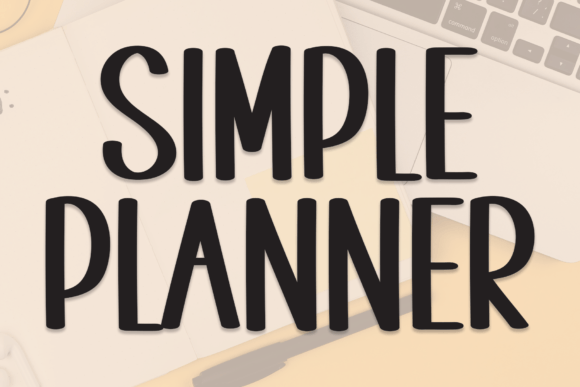
At its core, Simple Planner is a display font that mimics the natural flow of handwriting. Its letters have a slight, charming irregularity that avoids the sterile look of many digital typefaces. This isn't a formal script; it's casual, friendly, and full of character. The strokes have a pleasant rhythm, making it easy on the eyes while still capturing attention. It feels personal, like a note from a friend, which is a powerful tool in an age of digital perfection. This quality makes it a standout creative font for projects that need to connect on an emotional level.
Where This Handwritten Font Truly Shines
The real test of any premium font is its practical application. Simple Planner proves its worth across a stunning range of projects, making it a valuable piece in any designer's toolkit. Consider these real-world uses:
- Brand Identity & Logo Design: For brands that want to appear approachable, artisanal, or community-focused, Simple Planner can form the core of a logo design. A coffee roaster, a handmade jewelry line, or a yoga studio could use it to immediately convey a handcrafted, personal ethos. It helps build brand recognition through a distinct, memorable voice.
- Packaging & Merchandise: Imagine this font on a label for small-batch granola or a tote bag for a bookstore. It elevates packaging design from mere information to an experience, suggesting care and authenticity. For merchandise, it feels less like a corporate logo and more like a beloved quote or inside joke.
- Digital & Social Media Graphics: In the fast-scroll world of Instagram and Pinterest, a font with personality stops thumbs. Use Simple Planner for quotes, announcements, or sale graphics. Its casual vibe is perfect for social media graphics, making content feel more relatable and less like an ad. It pairs exceptionally well with clean sans serif fonts for body text on websites and blogs.
- Print & Editorial Layouts: Don't relegate it to the digital realm. This handwritten font is perfect for print materials like event posters, wedding invitations, or restaurant menus. In editorial design, it can create beautiful pull quotes or chapter headings that break up long blocks of text, enhancing readability and visual interest.
- Marketing Assets & Digital Products: From email headers to PDF guides and digital products like planners or worksheets, Simple Planner adds a touch of personality. It can make a lead magnet feel more valuable and a marketing email feel more like a personal note, boosting audience engagement.
Practical Advice for Working with Simple Planner
Integrating a script font or handwritten font like this requires a thoughtful approach. Here’s how to use it effectively to ensure professional presentation and visual consistency:
- Prioritize Readability: While beautiful, handwritten fonts are best used for short bursts of text—headlines, subheadings, logos, and calls to action. Avoid setting long paragraphs in it, as readability can suffer. Pair it with a highly legible serif font or sans serif font for body copy.
- Match Font to Project Goal: Ask yourself: Does this font's personality align with my brand? Simple Planner is casual and friendly. It's perfect for a kids' brand, a lifestyle blog, or a local service business. It might not be the right fit for a law firm or a luxury automotive brand seeking a tone of sleek formality. Choosing the right typeface is about alignment.
- Test Your Font Pairings: Create a few mock-ups. Try Simple Planner with a geometric sans serif for a modern, balanced look. Test it with a classic serif for a more elegant, eclectic feel. The goal is contrast and harmony—your heading font and body font should complement, not compete.
- Explore the Included Styles: Most quality font packages come with variations. Check if Simple Planner includes alternate characters, ligatures, or different weights. These extras can add subtle variety to your brand identity and prevent the font from looking repetitive across applications.
- Understand Commercial Licensing: If you're using this font for client work or your own business, ensure you have the correct commercial font license. This is a non-negotiable step for any design asset used in professional settings, protecting you legally and respecting the creator's work.
Ultimately, the power of a font like Simple Planner lies in its ability to tell a story. It’s a design asset that does more than spell words; it conveys mood, builds trust, and creates a visual shorthand for your brand's values. By using it strategically and pairing it wisely, you can craft designs that are not only visually appealing but also deeply resonant with your audience. It’s a testament to how thoughtful modern typography can bridge the gap between a brand and the people it wants to reach.