Region: Commanding Attention in Modern Branding
When you need to make an announcement that cannot be ignored, you need a typeface that stands its ground. There is a distinct difference between a font that simply sits on a page and one that commands the space around it. For designers and creators working on high-impact projects—from sports branding to industrial packaging—the visual weight of your text is just as important as the words themselves. This is where the power of a condensed sans serif comes into play, offering a solution that is both space-efficient and visually arresting.
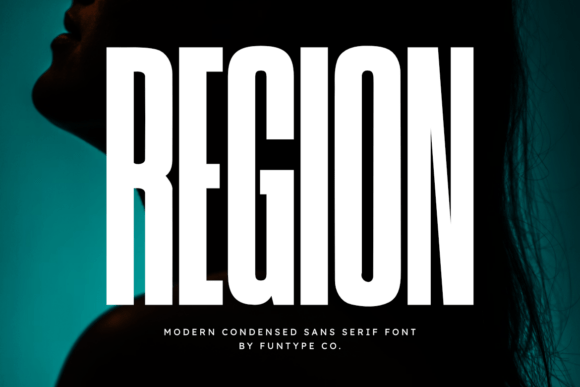
Region is a bold and powerful modern condensed sans serif font designed specifically for high-impact and precise typography. It bridges the gap between functionality and aggressive style, making it a versatile asset for a wide range of creative applications. With its refined vertical structure and clean, solid lines, this typeface captures the essence of modern strength. It is not merely a collection of letters; it is a design tool engineered for scenarios where clarity and dominance are required.
The Anatomy of a High-Impact Typeface
Understanding what makes a font work in real-world scenarios is key to using it effectively. The visual appeal of Region lies in its architecture. Unlike wider, sprawling typefaces that can consume valuable real estate on a canvas, the condensed nature of this font allows you to fit more information into tight spaces without sacrificing legibility. This is particularly useful in editorial layouts or web design where screen space is at a premium.
The "personality" of Region is defined by its confident and balanced design. It avoids unnecessary flourishes, relying instead on the precision of its geometry. This creates a striking, professional, and advanced look that appeals to a modern audience. The vertical structure guides the eye naturally downward, creating a sense of speed and urgency. This makes it an ideal choice for dynamic environments, such as event posters or digital advertisements, where you have only a split second to capture the viewer's attention.
Practical Applications: From Screen to Street
The versatility of a premium font is measured by how well it adapts to different media. Region is provided in OTF and TTF formats, ensuring maximum compatibility across all design platforms, whether you are working in Adobe Illustrator, Photoshop, Canva, or Figma. This flexibility allows it to serve as a cornerstone of a brand's visual identity across various touchpoints.
For logo design, especially within the professional sports or tech sectors, a condensed sans serif conveys agility and power. It allows for logos that are compact yet readable, fitting perfectly into app icons, favicon squares, or the side of a jersey. In packaging design, the bold lines of Region help product names stand out on crowded shelves. Whether it is a minimalist coffee bag or a bold energy drink can, the font ensures the product name is the hero of the design.
When it comes to digital products and social media graphics, the needs are different but equally demanding. Instagram stories, TikTok overlays, and YouTube thumbnails require text that is legible even on small mobile screens. The heavy weight and clean lines of Region make it perfect for these applications, ensuring that your call-to-action or headline pops against complex backgrounds.
Here are a few specific scenarios where this typeface excels:
- Industrial Branding: Construction companies, gyms, and automotive services benefit from the rugged, sturdy aesthetic.
- High-End Editorial: Fashion magazines often use condensed sans serifs for cover lines to create a chic, modern look.
- Web Design: Use it for H1 headers or navigation menus to create a clean, structured user interface.
- Merchandise: T-shirts and streetwear often utilize bold, condensed typography to make a statement.
Strategic Typography for Brand Recognition
Choosing a font is not just an aesthetic decision; it is a strategic one. The typography you select for your brand identity sends a psychological message to your audience. A script font might suggest elegance and tradition, while a handwritten font implies a personal touch. A display font like Region, however, communicates authority, stability, and modernity.
For small business owners and entrepreneurs, consistency is the bedrock of brand recognition. By utilizing a versatile typeface family, you can maintain a cohesive look across all marketing assets. From the business card you hand out at a networking event to the email newsletter sent to thousands of subscribers, the visual language remains the same. This repetition builds trust. When a customer sees the distinct vertical lines of Region, they immediately associate it with your brand's professionalism.
Furthermore, readability is a critical component of user experience. If your audience struggles to decipher your message, the design has failed. Region prioritizes clarity through its refined structure. Despite its bold nature, the spacing and proportions are calculated to ensure that blocks of text—while best used for headlines—remain easy to scan. This balance between style and function is what separates a amateur design from a professional one.
Pairing and Implementation Tips
No font is an island. To get the most out of a creative font like Region, you need to consider how it interacts with other typefaces. Because Region is a bold, condensed display font, it pairs exceptionally well with lighter, more neutral sans serifs or simple serif fonts for body text.
For instance, using Region for your main headlines creates a strong visual anchor. You can then pair it with a highly legible, standard-weight sans serif for your sub-headers and body copy. This contrast creates a visual hierarchy that helps the reader navigate the content naturally. The bold headlines grab attention, while the clean body text delivers the detailed information.
When testing your font pairings, consider the mood you want to set. If you are designing for a luxury brand, pairing Region with a classic serif font can create an interesting tension between modernity and tradition. If you are designing for a tech startup, pairing it with a geometric sans serif will enhance the futuristic feel.
Before finalizing your design, always review the included font styles. A robust typeface family often includes various weights or stylistic alternatives that can add nuance to your work. Experiment with letter spacing (tracking) as well. Sometimes, slightly opening up the tracking on a condensed font can create a more airy, elegant feel, while tightening it can increase the sense of urgency.
Finally, always keep commercial licensing in mind. If you are designing for a client, a corporate rebrand, or a product you intend to sell, ensure you have the appropriate license for the font. Using a premium font ensures that you have the legal right to use the design assets in commercial projects, protecting both you and your client. It also ensures you are getting a high-quality product that has been tested for technical accuracy.
Ultimately, the goal of typography is to serve the message. Region is designed to amplify that message, giving your visuals the striking, professional edge they need to succeed in a crowded market. Whether you are crafting a billboard or a mobile app interface, this font provides the tools to communicate with power and precision.